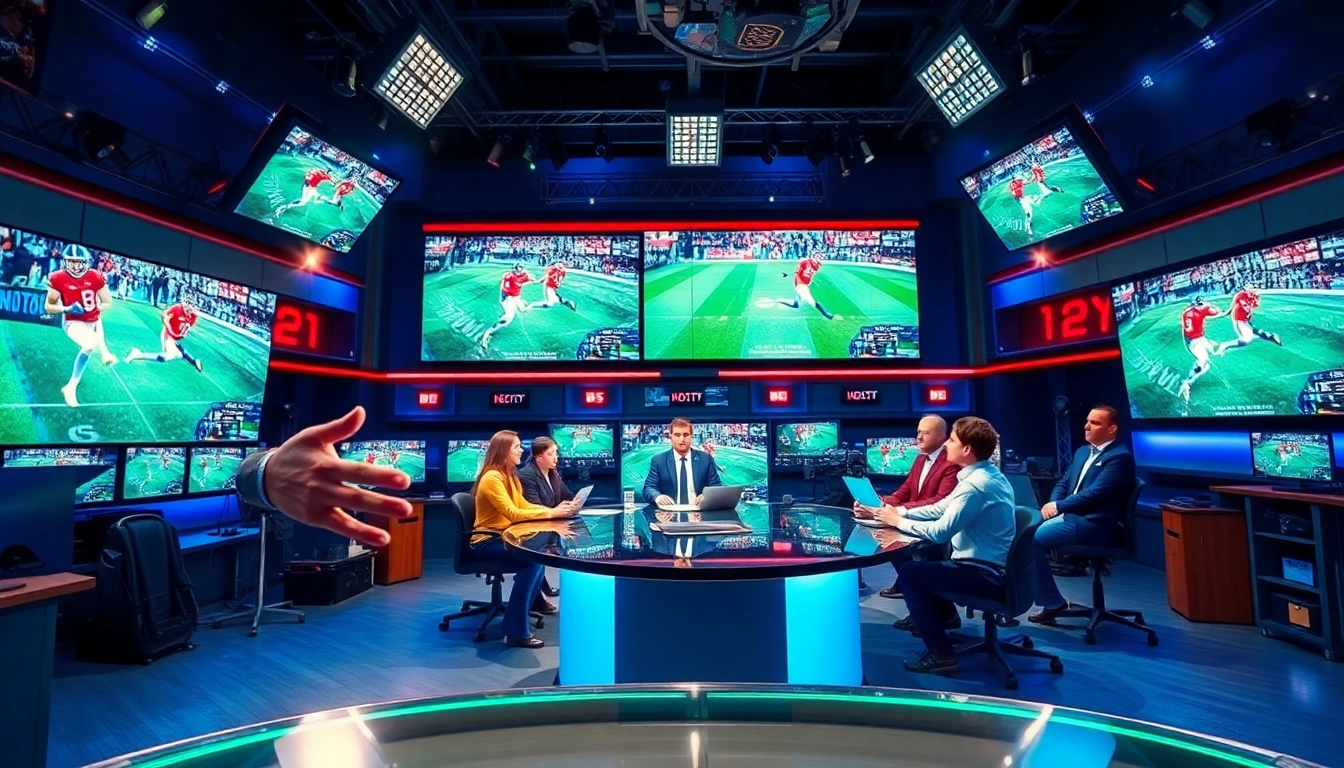
Understanding the Basics of Sports Broadcasting
What is Sports Broadcasting?
Sports broadcasting involves the coverage and dissemination of sporting events through various media platforms, including television, radio, and online streaming. It encompasses live coverage, analysis, commentary, and post-game discussions, allowing fans to stay connected with their favorite teams and players. The reach and impact of Sports Broadcasting have grown immensely, making it a critical aspect of sports culture globally.
Historical Overview of Sports Broadcasting
The origins of sports broadcasting can be traced back to the early 20th century, when the first radio broadcasts transmitted sporting events. Over the decades, technology improved, leading to the introduction of television broadcasts in the 1950s. This era revolutionized how audiences engaged with sports, providing live visuals and atmospheric sounds from the venues. Furthermore, the digital revolution has shifted the landscape once again, leading to on-demand streaming and interactive platforms that give fans unprecedented access to live and archived content.
Common Challenges in Sports Broadcasting
Despite its advancements, sports broadcasting faces several challenges. One major challenge is the need for real-time coverage and accuracy amid the fast pace of sporting events. Technical issues can interrupt broadcasts, leading to viewer dissatisfaction. Legal complications surrounding broadcasting rights and international regulations also create hurdles, as networks must negotiate deals to license content appropriately. Additionally, the need to cater to diverse audiences, with varying preferences and cultural contexts, requires broad strategies that may not always align with content production processes.
Techniques for Effective Sports Broadcasting
Engaging Your Audience
To truly resonate with viewers, broadcasters must implement techniques that keep audiences engaged. Utilizing interactive elements such as live polls, fan questions, and social media graphics can enhance viewer participation. Alongside this, personal storytelling about athletes and teams creates deeper emotional connections. Utilizing expert commentators, and incorporating instant replay highlights during live coverage further enriches the viewing experience.
Importance of Game Analysis
Game analysis plays a crucial role in guiding the narrative during broadcasts. Broadcasters should break down critical plays, tactics, and player performances through insightful commentary. Providing statistics and leveraging graphics during analysis can clarify complex situations while keeping audiences informed. Additionally, post-game breakdowns can offer valuable insights into what transpired, helping fans understand the game’s intricacies beyond the action on the field.
Utilizing Multimedia Tools
The successful integration of multimedia tools enhances storytelling in sports broadcasting. Video highlights, graphics overlays, player interviews, and dynamic animations add layers to broadcasts that engage audiences visually and emotionally. Employing augmented reality (AR) and virtual reality (VR) technologies can elevate viewer experience by providing immersive content that feels interactive.
Key Technologies in Sports Broadcasting
Latest Broadcasting Equipment
The world of sports broadcasting leverages advanced equipment to ensure high-quality transmission. Cameras equipped with high-definition capabilities and multi-angle views are essential for capturing games effectively. Cutting-edge sound equipment that captures ambient noise and commentators’ voices equally is vital in creating an authentic viewing experience. Drones are increasingly utilized for aerial shots that offer unique perspectives of live events.
Software for Editing and Production
Editing software plays a central role in sports broadcasting production. Programs such as Adobe Premiere Pro and Final Cut Pro are commonly used to create highlights that are engaging and informative. These tools allow for clean cuts, sophisticated transitions, and the overlay of graphics that enhance the viewer’s understanding of the game. In addition, live streaming software enables real-time editing, creating seamless broadcasts across diverse platforms.
Emerging Technologies in Broadcasting
Emerging technologies like artificial intelligence (AI) and machine learning are transforming the sports broadcasting landscape. AI can analyze player performance in real-time, providing instant stats and predictions that enrich the viewer’s experience. Furthermore, advanced data analytics tools are used to optimize programming decisions and improve content delivery. These technologies combined with blockchain for secure transactions and rights management could redefine industry standards on viewer engagement levels.
Building a Career in Sports Broadcasting
Essential Skills for Aspiring Broadcasters
Success in sports broadcasting requires a unique combination of skills. Broadcasters need strong communication abilities to articulate narratives clearly and engagingly. Research skills are crucial for understanding game dynamics and athlete backgrounds. Technical skills, including adeptness with broadcasting equipment and software, are essential. A deep passion for sports combined with the ability to adapt quickly to unexpected situations can set candidates apart in this competitive field.
Networking and Industry Connections
Networking within the sports broadcasting industry opens doors to opportunities and mentorship. Attending industry conferences, staying active on social media platforms, and connecting with professionals can lead to valuable relationships. Internships provide practical experience and can significantly improve job prospects, while engaging with alumni from broadcasting programs can offer insights and professional guidance that enhance career trajectories.
Job Opportunities in Sports Broadcasting
The job market in sports broadcasting is diverse. Opportunities range from on-air roles like sports commentators and anchors to behind-the-scenes positions such as producers and technical directors. Digital media has birthed new roles in content creation and video production, appealing to those interested in the evolving landscape. Organizations also seek marketing professionals focused on promoting sports programming efficiently.
Measuring Success in Sports Broadcasting
Analyzing Audience Engagement Metrics
Measuring success in sports broadcasting involves analyzing audience engagement metrics. Metrics such as viewership numbers, social media interactions, and audience retention rates provide insights into how well broadcasts are received. Understanding demographic data helps tailor content to the audience’s preferences, ensuring future broadcasts resonate better with viewers.
Feedback and Adaptation Strategies
Gathering feedback forms a vital part of improving broadcasting efforts. Surveys, social media comments, and analytics can highlight audience preferences and areas for improvement. Adjusting strategies based on feedback helps broadcasters maintain relevancy and fosters stronger viewer connections. Adaptation could come in the form of modifying commentary styles or adjusting broadcast times to maximize viewer accessibility.
Case Studies of Successful Sports Broadcasting
Examining successful sports broadcasts can provide valuable insights. Case studies often highlight how broadcasters effectively engaged viewers through interactive segments or powerful storytelling, along with data-driven decisions that enhanced overall programming. Reviewing these successes leads to understanding the best practices and innovative strategies that can be emulated in future broadcasts.
Frequently Asked Questions
What is the main role of a sports broadcaster?
A sports broadcaster primarily provides commentary, analysis, and coverage of live sporting events, allowing audiences to stay informed and engaged with the game.
What skills are needed for a sports broadcasting career?
Essential skills include strong communication, research capabilities, technical expertise in broadcasting equipment, and a deep passion for sports.
How can technology improve sports broadcasting?
Technology can enhance broadcasts through improved camera equipment, real-time statistics, AR and VR experiences, and editing software that enrich viewer engagement.
What metrics are used to measure success in broadcasting?
Success can be measured through viewership statistics, audience retention, social media engagement, and qualitative feedback from viewers.
Where can I find job opportunities in sports broadcasting?
Job opportunities can be found through sports networks, online job boards, industry conferences, internships, and networking through social media platforms.
About the Author